
A Collaboration Between Asphalt Plus and Envirotx: Dry Process Engineered Crumb Rubber
When quality and innovation meet the road: a major Dry Process ECR asphalt project in Odessa, Texas that showcases smoother production, better paving, and longer-lasting performance.
When Quality and Innovation Meet the Road
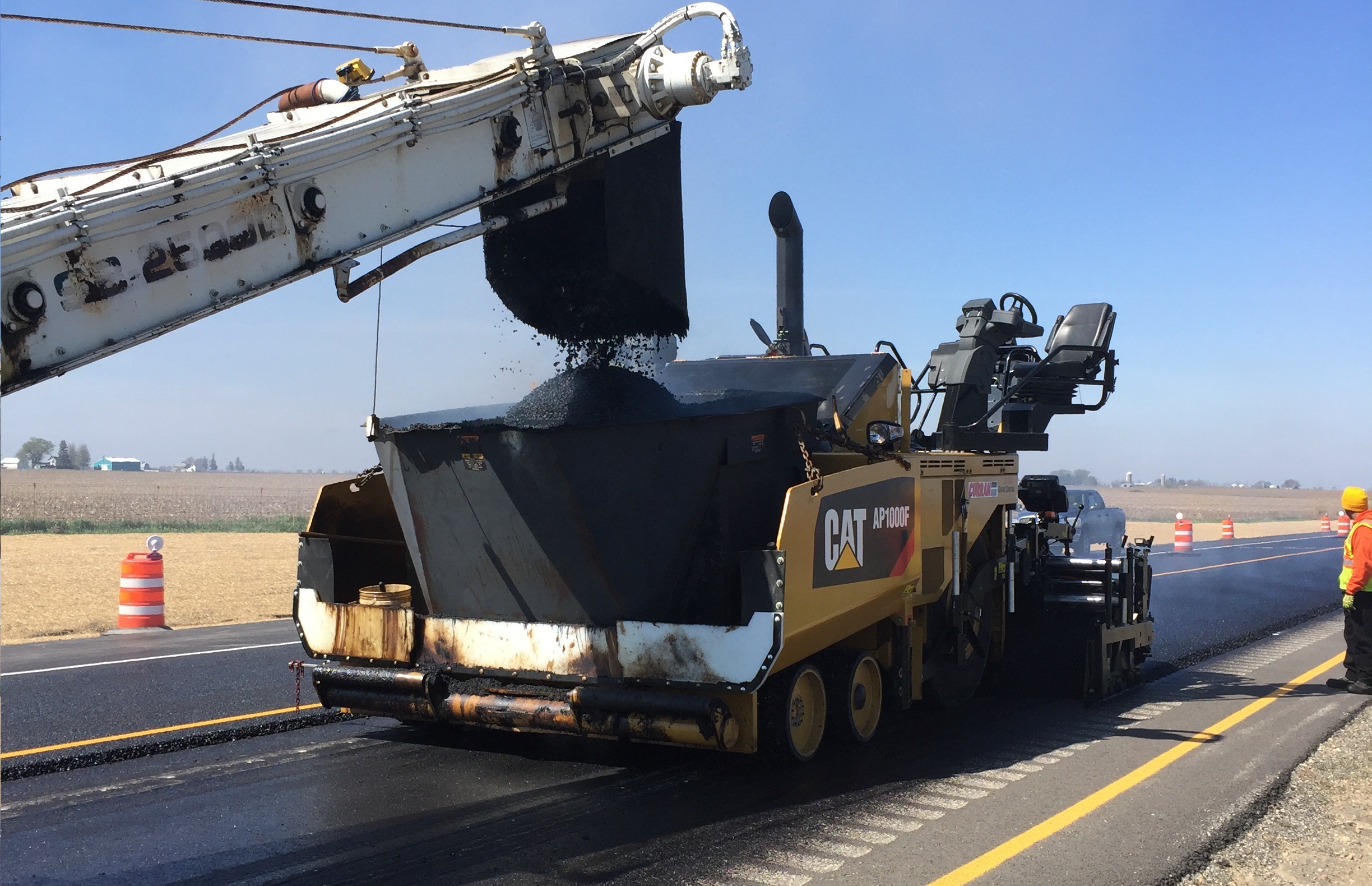
In Odessa, Texas, Asphalt Plus, in collaboration with our trusted partner Envirotx, successfully completed a significant Dry Process ECR asphalt project that showcases the future of road construction. This project not only highlights the strength of our partnerships but also demonstrates the efficiency and quality improvements rubberized asphalt brings to the industry.
You’ll see how Dry Process Engineered Crumb Rubber (ECR) supported:
- A seamless, no-hassle production and paving process
- Cleaner handling with less sticking to tools and machinery
- Stronger performance against rutting and cracking
- Longer life cycles and reduced maintenance needs
- Sustainability through recycled tire reuse
A Seamless Process
From the outset, the integration of Dry Process Engineered Crumb Rubber into the asphalt mix went off without a hitch. Our team used proven techniques that ensured the crumb rubber blended perfectly with the asphalt, resulting in a seamless mixing process.
Unlike conventional wet process rubber modifications that introduce challenges, the addition of Dry Process (ECR) required no extra steps and created zero equipment complications. In fact, the paving crews appreciated how the rubberized asphalt didn’t stick to their tools and machinery, making the work smoother, quicker, and cleaner. This efficiency reflects our commitment to streamlining operations while delivering exceptional results.
Technical Aspects: How Rubberized Asphalt Works
The process begins with incorporating Engineered Crumb Rubber (ECR) from recycled tires into the asphalt drum mixing chamber. The ECR particles, typically finely ground, mechanically interact with the hot binder to form a rubber-modified asphalt. This reaction imparts elastic properties to the mix, enhancing its overall strength and flexibility.
Unlike some additives that can complicate the process, the Dry Process ECR mixes uniformly throughout the mix without causing stickiness issues, ensuring smooth handling during production and paving.
Superior Road Performance
The completed road in Odessa isn’t just another stretch of asphalt—it represents innovation and improved road performance. Rubberized asphalt’s benefits extend well beyond its ease of installation.
This enhanced asphalt resists rutting and cracking, providing a robust surface ready to withstand heavy traffic and changing weather conditions. Over time, rubberized asphalt delivers a long life cycle with reduced maintenance needs, translating to better value for taxpayers and local communities.
The Benefits of Dry Process ECR
Dry Process ECR offers numerous advantages over conventional mixes and wet process rubberized asphalt, providing long-lasting roads designed to stand up to harsh conditions. Here’s a deeper look at why this innovative material is such a game changer:
Smooth Surface Quality
The rubber particles in the asphalt mix contribute to a smoother finished road. Beyond providing a better driving experience, this smoother surface helps to reduce noise pollution—a valuable benefit for communities near busy roadways.
Resistance to Rutting and Cracking
Traditional asphalt can become deformed over time due to repeated heavy traffic loads, resulting in ruts and cracks. The inclusion of crumb rubber enhances the elasticity and flexibility of the asphalt, significantly improving its ability to resist deformation under stress. The Odessa road now boasts a resilient surface capable of enduring high traffic loads without succumbing to wear and tear.
Longer Life Cycle
Roads made with Dry Process ECR exhibit enhanced durability, resulting in a longer lifespan compared to standard pavements. This translates into lower maintenance costs and less frequent repairs, ultimately benefiting both road users and municipalities.
Enhanced Flexibility and Temperature Performance
Dry Process ECR has improved thermal properties, enabling it to withstand both extreme heat and freezing temperatures without becoming brittle. This thermal flexibility is critical in regions like Odessa, where temperature fluctuations can stress traditional asphalt.
Dry Process Engineered Crumb Rubber
Dry Process Engineered Crumb Rubber
Sustainability in Every Mile
Asphalt Plus and Envirotx share a commitment to sustainability. The use of Dry Process ECR reduces waste and repurposes materials that might otherwise end up in landfills.
Dry Process ECR repurposes 1 scrap tire for every 2 tons of asphalt produced. By converting discarded tires into valuable road materials, we help pave a greener, more sustainable future while building safer, more durable roads.
Dry Process ECR repurposes 1 scrap tire for every 2 tons of asphalt produced—turning waste into long-lasting pavement performance.
Conclusion
The Odessa project stands as a testament to what Asphalt Plus and Envirotx can achieve together. By merging innovation with practical solutions, we’ve delivered a road that exemplifies superior performance, easy application, and long-term durability.
As we continue to expand our footprint in Dry Process ECR, we look forward to building more successful roads across Texas and the nation as a whole.