
Elastiko® ECR Dry Process Rubberized Asphalt
Proven Rubberized Asphalt. Built for Real-World Paving.
Elastiko® ECR delivers polymer-like performance — without the cost, complexity, or plant disruption. Get the specs, the “how it works,” and real project proof in minutes.
Elastiko® Rubberized Asphalt — Not New. Not Risky. Already Working.
Elastiko® ECR has been successfully placed for over a decade, delivering smoother, quieter, and more durable pavements — while simplifying plant operations.
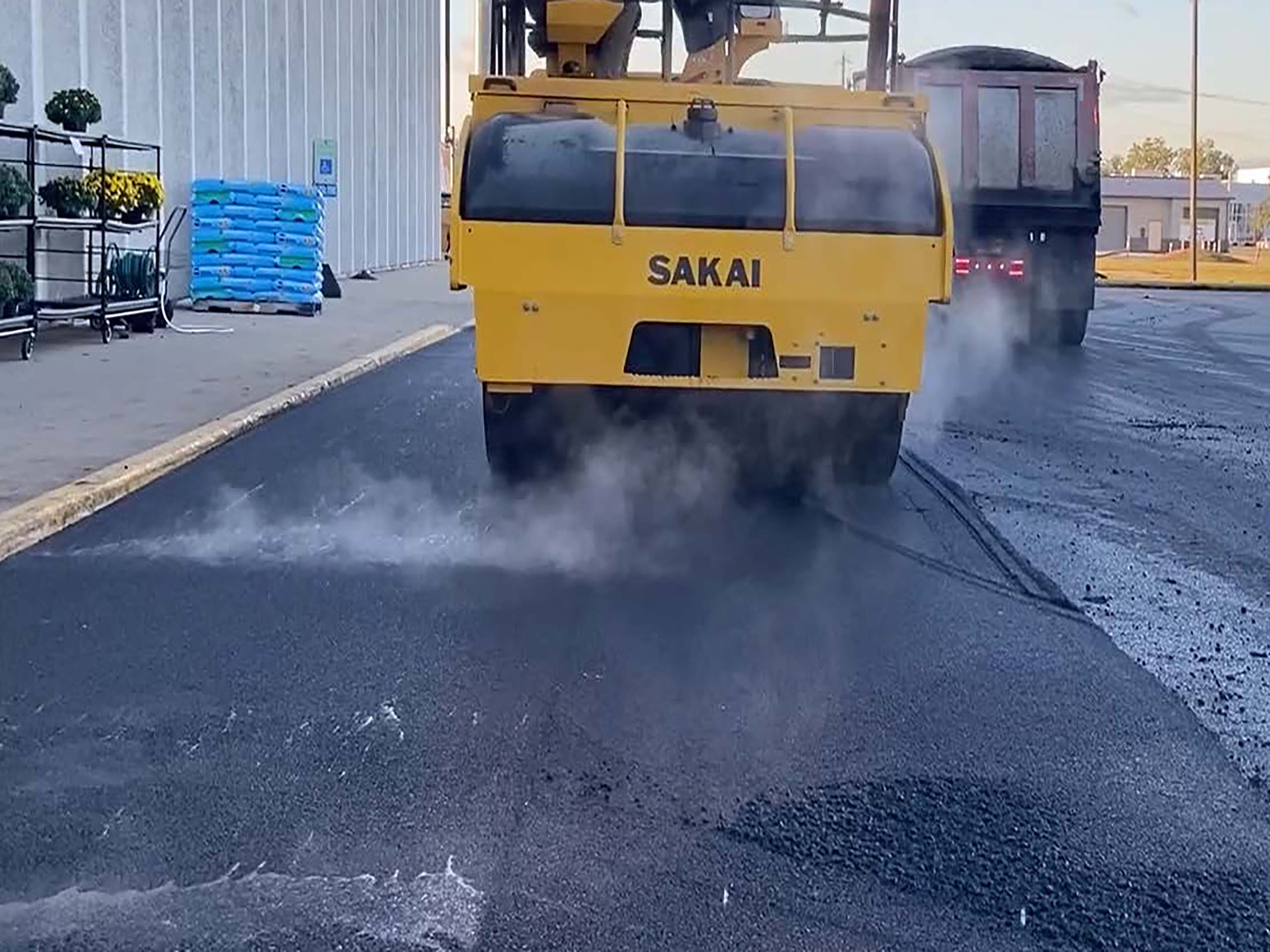
Rubberized Asphalt: How It’s Made
Elastiko is applied to the rubber to improve handling and workability characteristics of the mix.
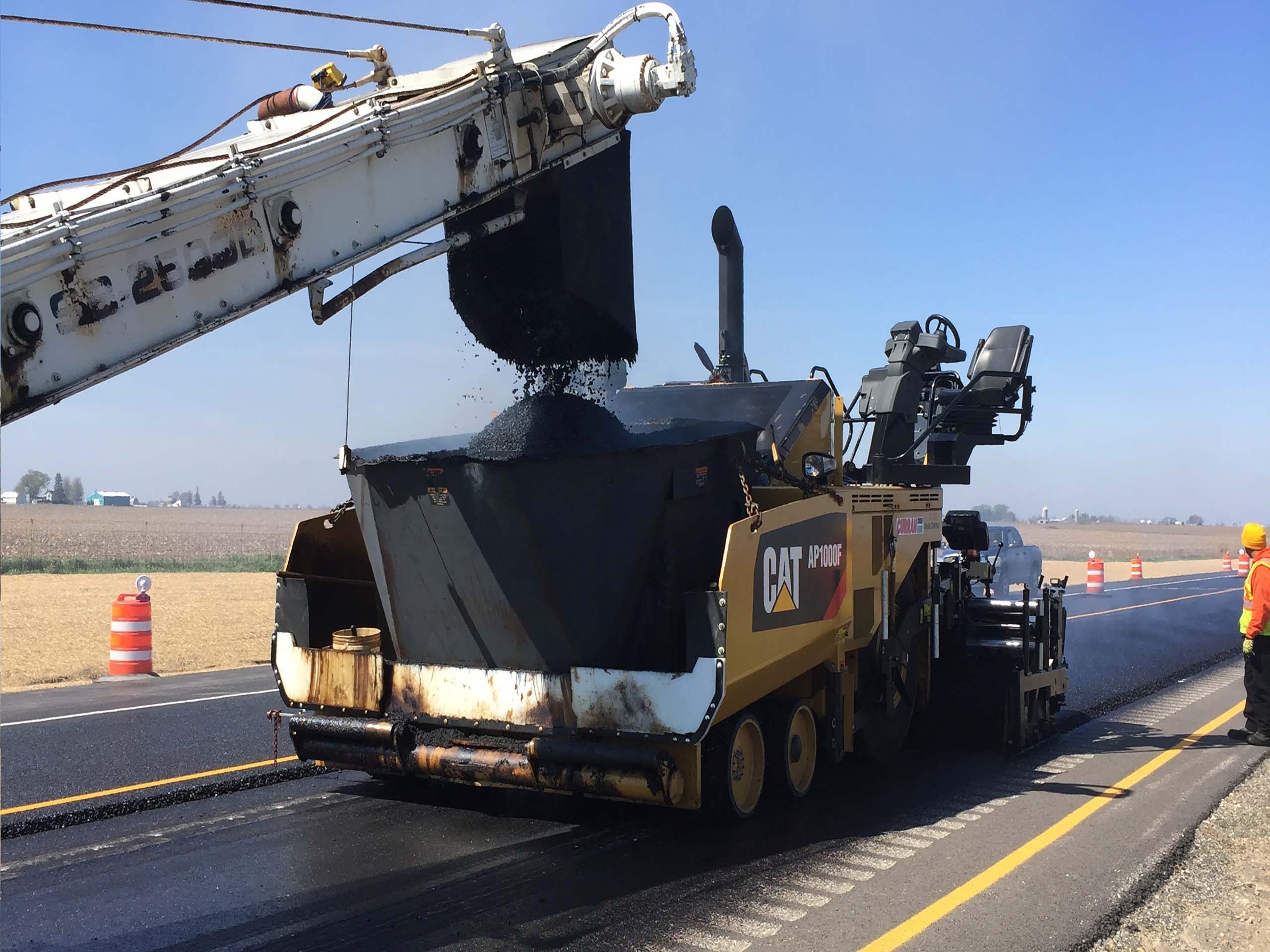
Rubber Asphalt vs Polymer
Elastiko rubber asphalt-modified mixes exhibit similar rutting and cracking resistance to polymer-modified mixes.
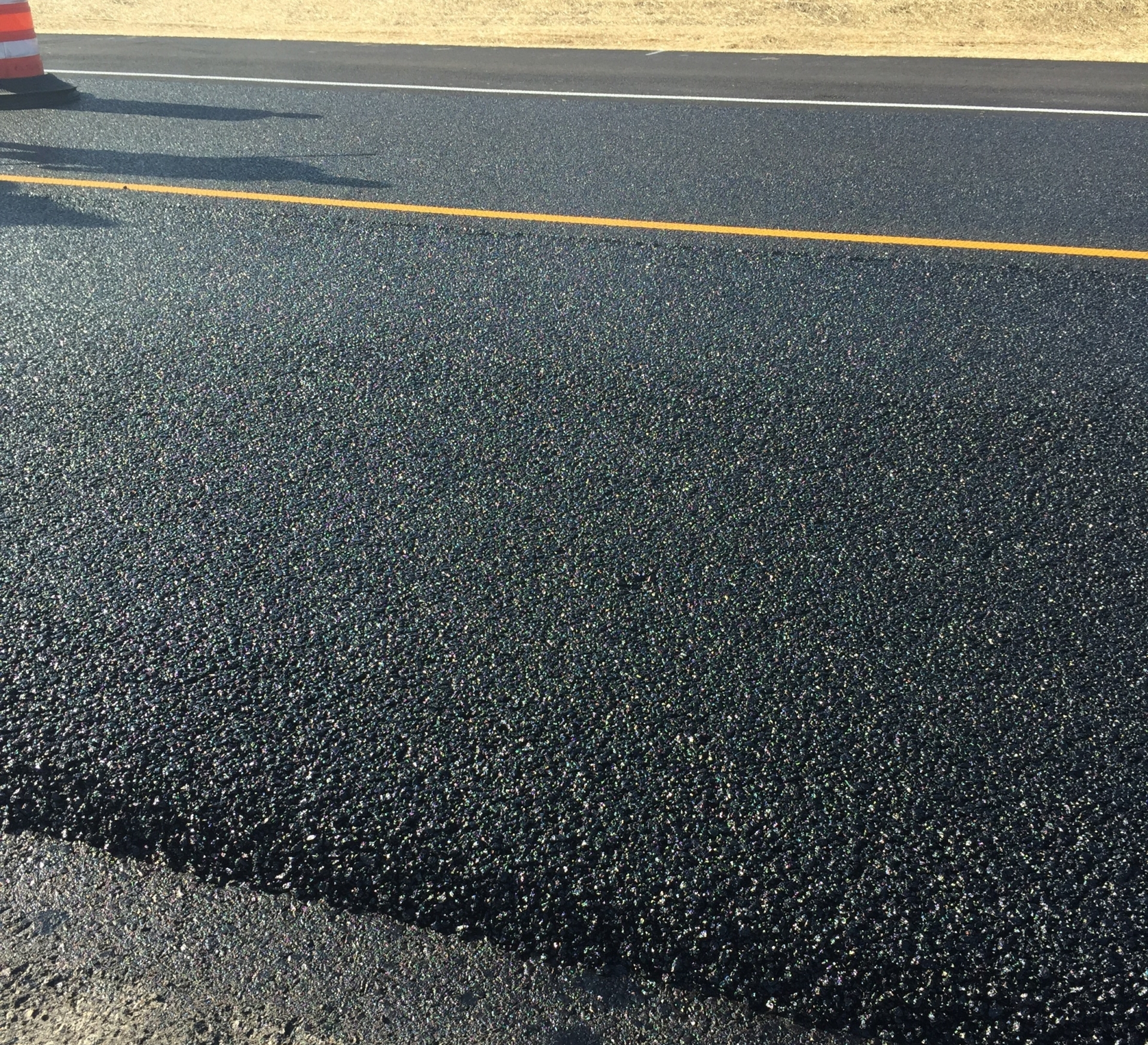
Wet Process vs Dry Process
Rubberized asphalt improves durability and performance — dry process simplifies plant operations.
How Dry Process Rubberized Asphalt Works
A chemically engineered crumb rubber product called Elastiko® ECR is fed into your plant during mix production, just like a fine aggregate. The heated binder reacts with the ECR during mixing, storage, and transport. The delivered mix lays and performs like a polymer-modified pavement — but at a fraction of the cost.
Transport Rubber Into Fiber Unit
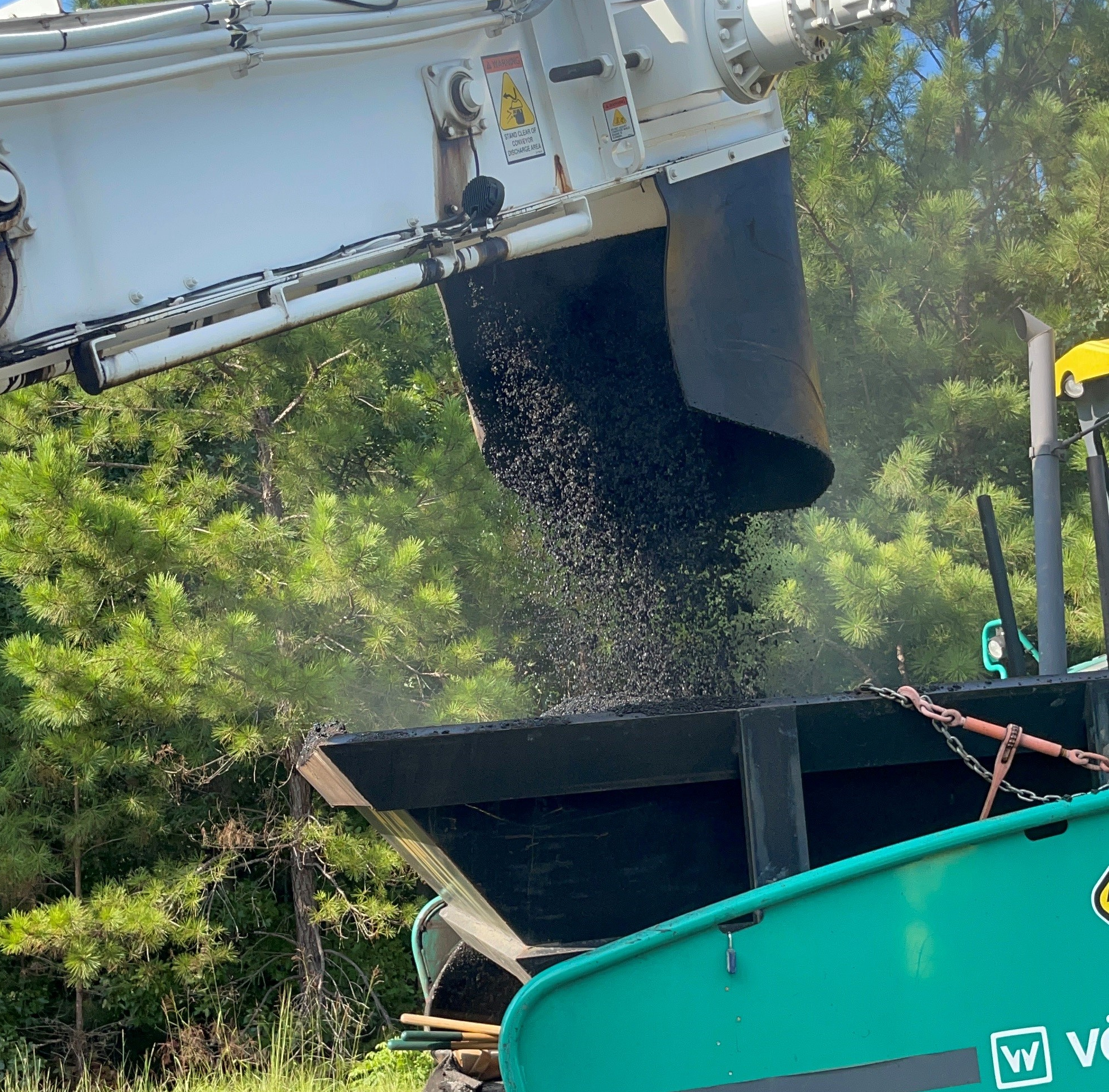
Feed bulk bags of crumb rubber into the fiber feed unit to meter material into the RAP collar.
ECR Injected Into RAP Collar
Elastiko-treated crumb rubber is introduced into the RAP collar to mix with aggregates, similar to polymer addition.
Lay Just Like Standard Mix
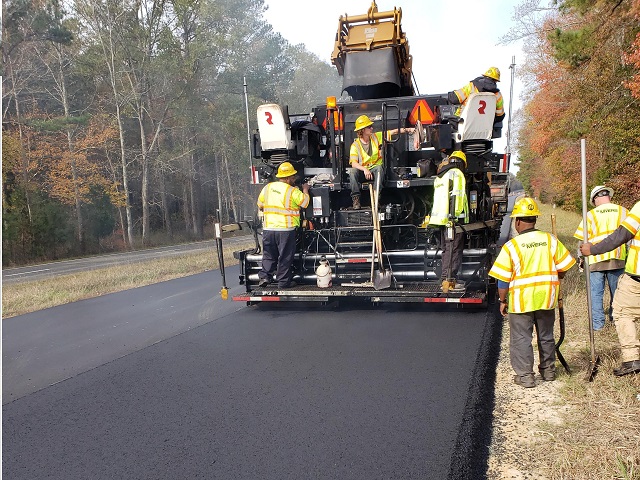
ECR asphalt is produced and laid like standard hot mix asphalt using familiar equipment.
Why Contractors Are Adopting Elastiko® ECR
Polymer performance. Dry process simplicity. Proven results.
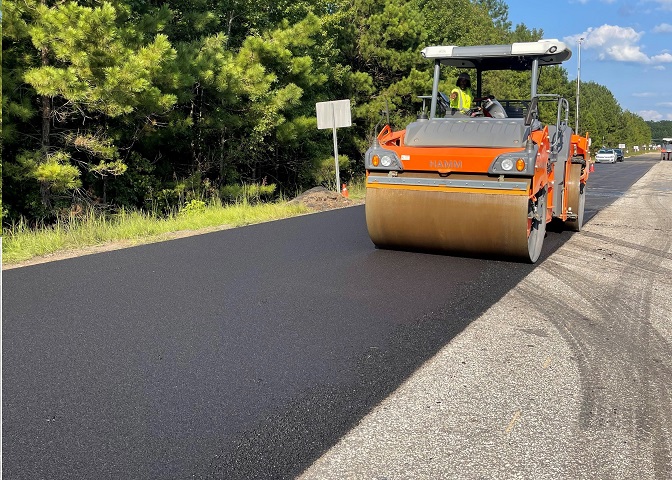
Field-Proven Performance That Matches Polymer
ECR modified asphalt is less expensive to produce than polymer modified mixes. This reduced expense is passed along to road managers through lower bids, thus allowing limited resources to be spread out even further. For every one lane mile of Elastiko modified asphalt laid, approximately 800 tires are kept out of landfills. Agencies gain better use of natural resources and reduce waste going to landfills.
Improves Rutting and Crack Resistance
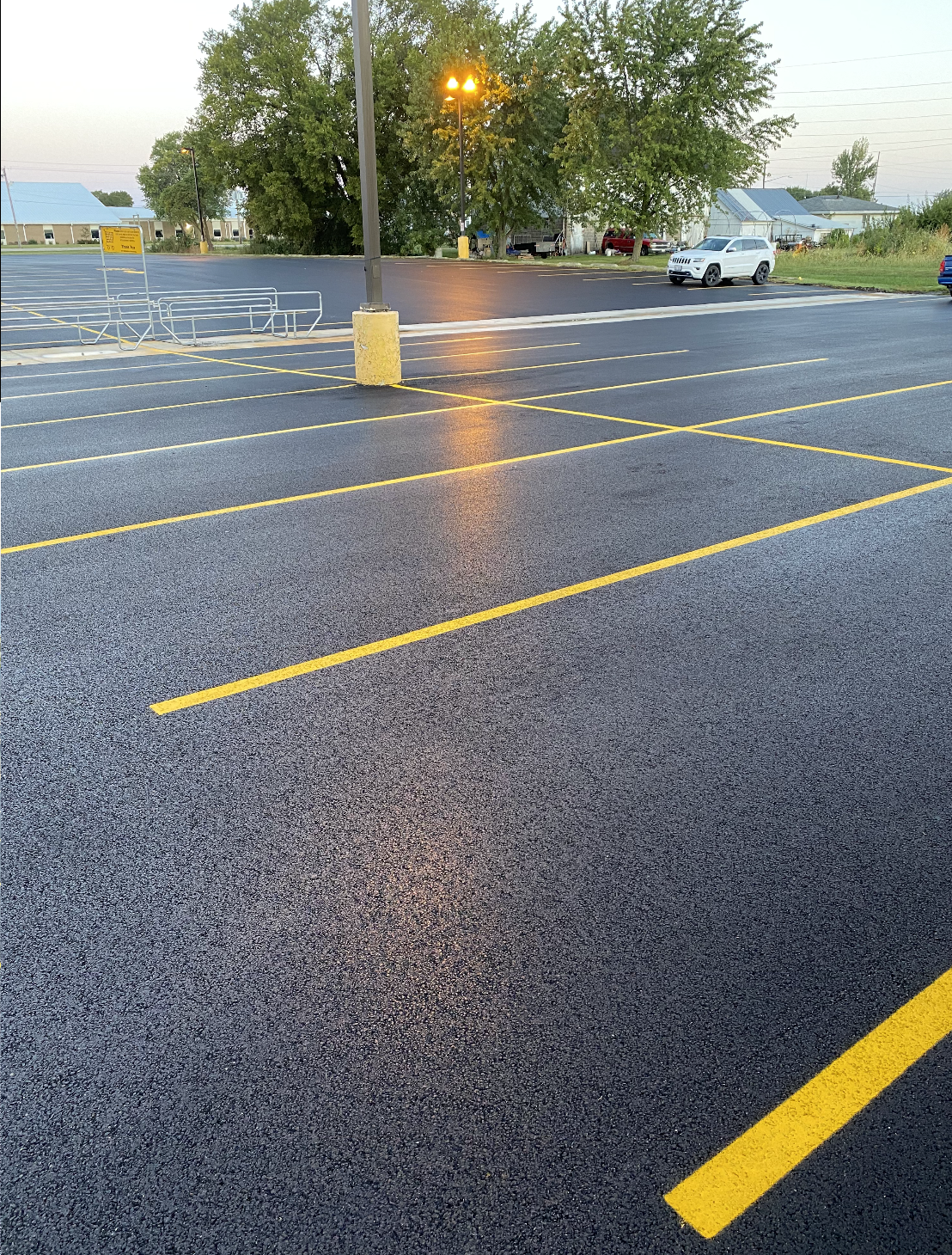
Dry process ECR handles stresses of heavy traffic, extreme temperatures, and frequent freeze–thaw cycles. Rubber particles reduce likelihood of rutting and cracking. More states are starting to see the benefits of rubber in asphalt. With all the tests done and years of perfecting the processes, benefits are starting to show for themselves.
Benefits of ECR Dry Process Asphalt
ECR reduces the cost of a two grade bump by an estimated $2–$4 per mix ton. It can help your plant run faster compared to many polymer-modified mixes: lower mix viscosities permit 10–15% faster plant throughput. It also generates less waste, with mixes leaving the truck with almost no residue in the bed.
ECR can extend your paving season
ECR mixes can allow paving and compaction in colder temperatures
ECR Generates Less Waste
Mixes leave the truck with almost no residue in the bed, reducing truck cleanout waste.
10–20% fewer roller passes
ECR mixes typically require 10-20% fewer roller passes to achieve compliant compaction.
Works Well in Thinlay Applications
Compared to standard unmodified hot mix asphalt, ECR pavements can achieve greater durability with thinner lifts.
View Some States Using ECR
Asphalt Plus engineered rubber has endured a wide range of harsh climate and road use conditions. In spite of tough situations, Asphalt Plus has performed impeccably well with nearly 6 million tons of placed dry mix asphalt.


Questions About Elastiko® ECR Dry Process Rubberized Asphalt
Quick answers for plant fit, operations, performance, and cold-weather paving.
Will ECR work with my existing plant?
In most cases, yes. Elastiko® ECR is designed to be introduced like a fine aggregate through a fiber or feeder unit into the RAP collar. Our team can review your plant configuration and recommend the optimal setup.
Do I need new binder tanks or special agitation?
No special binder tanks or agitation equipment are required. Rubber is added at the plant in dry form, simplifying operations compared to many wet process systems.
How does performance compare to polymer-modified mixes?
Testing and field experience show that Elastiko® ECR offers rutting and cracking resistance similar to polymer-modified mixes, with added sustainability benefits from recycled tire rubber.
Can I use ECR in colder climates or during shoulder seasons?
Yes. ECR mixes are engineered for improved workability and compaction, helping contractors achieve good density at cooler temperatures and extend the paving season.
Ready to See What Elastiko® ECR Can Do for Your Next Project?
Share your project, mix design goals, and plant setup — and the Asphalt Plus team will help you evaluate whether Elastiko® ECR dry process rubberized asphalt is the right fit.
Need help evaluating plant fit or mix design goals? We’ll point you to the right setup fast.