
Rubberized Asphalt Technology
High-Performance Pavement Modification Using Elastiko® ECR Engineered Crumb Rubber
Rubberized asphalt is an advanced pavement modification technology that improves asphalt pavement durability, cracking resistance, rutting resistance, and long-term structural performance.
Rubberized Asphalt Technology
Rubberized asphalt is an asphalt mixture modified with ground tire rubber (GTR) derived from recycled automobile tires. When crumb rubber is incorporated into asphalt mixtures, the rubber particles interact with the heated asphalt binder, absorbing lighter binder fractions and swelling during production. This interaction alters the mechanical properties of the asphalt mixture, improving flexibility, fracture resistance, and rutting resistance.
What Is Rubberized Asphalt?
Rubberized asphalt pavements have been used in roadway infrastructure for decades and have demonstrated performance improvements in fatigue cracking resistance, thermal cracking resistance, reflective cracking resistance, rutting resistance under heavy traffic, and surface friction and skid resistance. Research also indicates that rubberized asphalt surfaces can improve pavement friction and skid resistance due to the presence of rubber particles within the pavement surface texture.
The Elastiko® ECR Dry Process Technology
Elastiko ECR uses a dry process rubber modification system. Engineered crumb rubber particles are added directly into the asphalt plant during mix production using a calibrated loss-in-weight feeder. Once introduced, the heated asphalt binder begins interacting with the rubber particles during mixing in the asphalt plant, silo storage, truck transportation, and paving operations.
Mixture Modification vs Binder Modification
Wet-process rubber technologies modify the asphalt binder itself, requiring terminal blending and specialized storage conditions. Dry-process technologies modify the entire asphalt mixture, where rubber particles interact with both binder and aggregate structure. As a mix modifier, traditional binder tests such as MSCR do not fully capture dry-process performance benefits.
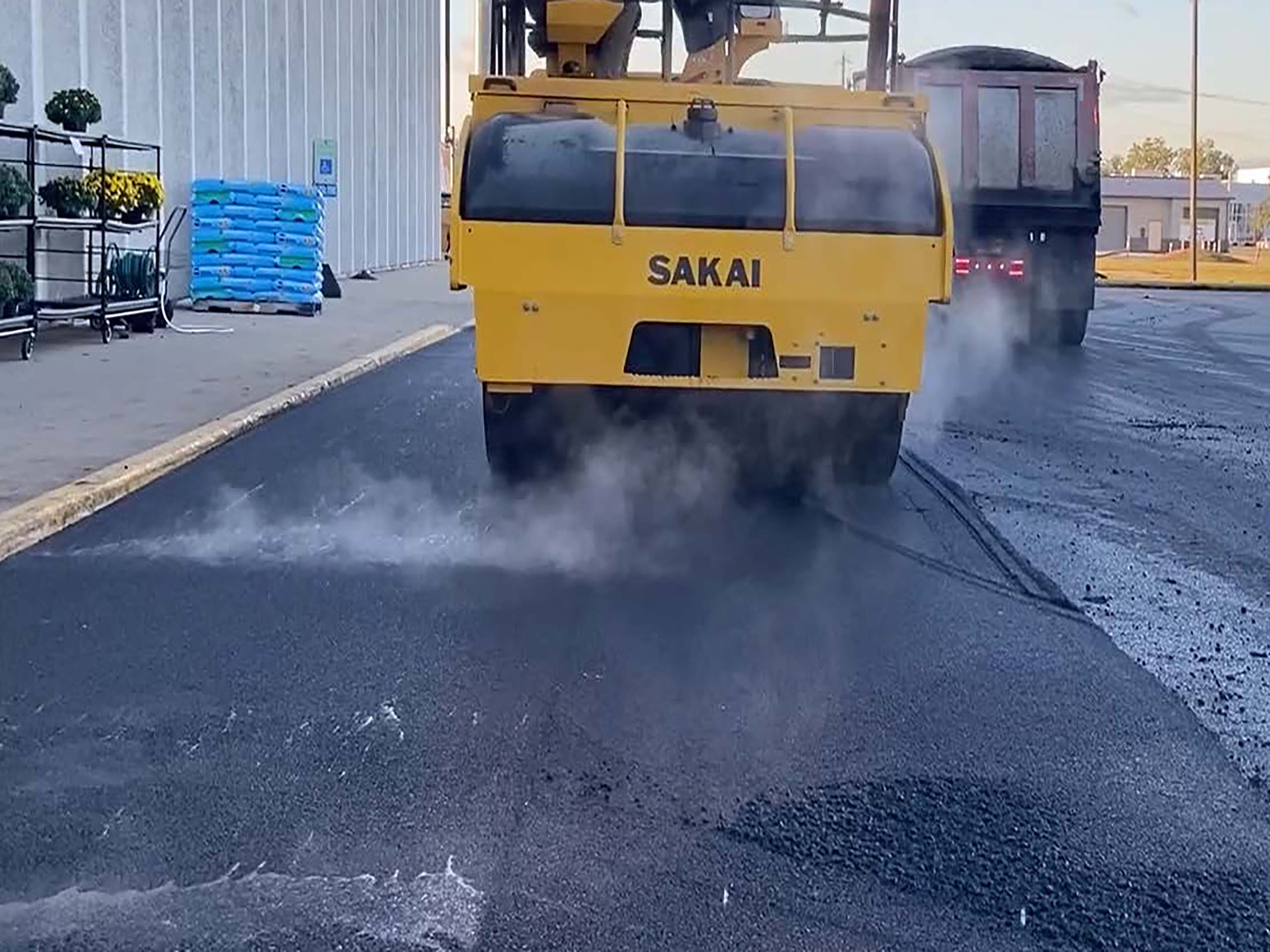
Why Rubber Content Matters
Not all rubberized asphalt technologies contain the same amount of active rubber. Some competing rubber additives contain fillers or additives that reduce the amount of active rubber delivered to the asphalt mixture. Elastiko ECR is engineered to contain approximately 98% active rubber, meaning the majority of the material contributes directly to mixture modification. Engineering studies have consistently demonstrated that rubber performance benefits increase as the quantity of rubber introduced into the mixture increases.
Higher rubber content
Increases the potential for improved crack resistance, improved rut resistance, greater fracture energy, and enhanced pavement durability.
Why rubber particle size matters
Finer rubber provides greater surface area for binder interaction, increasing absorption and modification efficiency.
Fine gradation engineering
Elastiko ECR uses an average particle size near 50 mesh for improved dispersion, stronger interaction, and polymer-level performance behavior.
Performance-focused outcomes
Field experience and laboratory testing show rubberized asphalt can achieve performance comparable to or better than polymer-modified asphalt.
Asphalt Plant Production with ECR
One advantage of dry-process rubber technology is its compatibility with existing asphalt plant equipment. ECR is typically added to asphalt plants using a loss-in-weight feeder, often adapted from cellulose fiber feeding systems. Feeder systems deliver precise rubber quantities and can adjust feed rates automatically when plant production speeds change. This approach eliminates the need for terminal binder modification while maintaining accurate rubber dosage control during production.
Mix design considerations
Because rubber particles absorb portions of the asphalt binder, mix designers typically add a small amount of supplemental binder to maintain proper binder film thickness. Typical guidance recommends adding approximately 0.1% additional binder for every 5 pounds of rubber added per ton of mix.
Construction and compaction
Rubberized asphalt mixtures are constructed using conventional paving equipment. Rubber particles continue to interact with binder during early stages of cooling, and compaction practices should account for this behavior to achieve proper density.
Pavement performance
Performance benefits include improved rutting resistance, improved fatigue cracking resistance, improved reflective cracking resistance, and improved pavement durability. Rubber-modified pavements have also demonstrated improved skid resistance due to rubber particles within the pavement surface.
Applications Across Multiple Climates
Rubberized asphalt using Elastiko ECR has been successfully used across a wide range of climates and traffic conditions. Rubberized asphalt mixtures can be used in dense-graded, gap-graded, and stone matrix asphalt designs depending on project requirements.
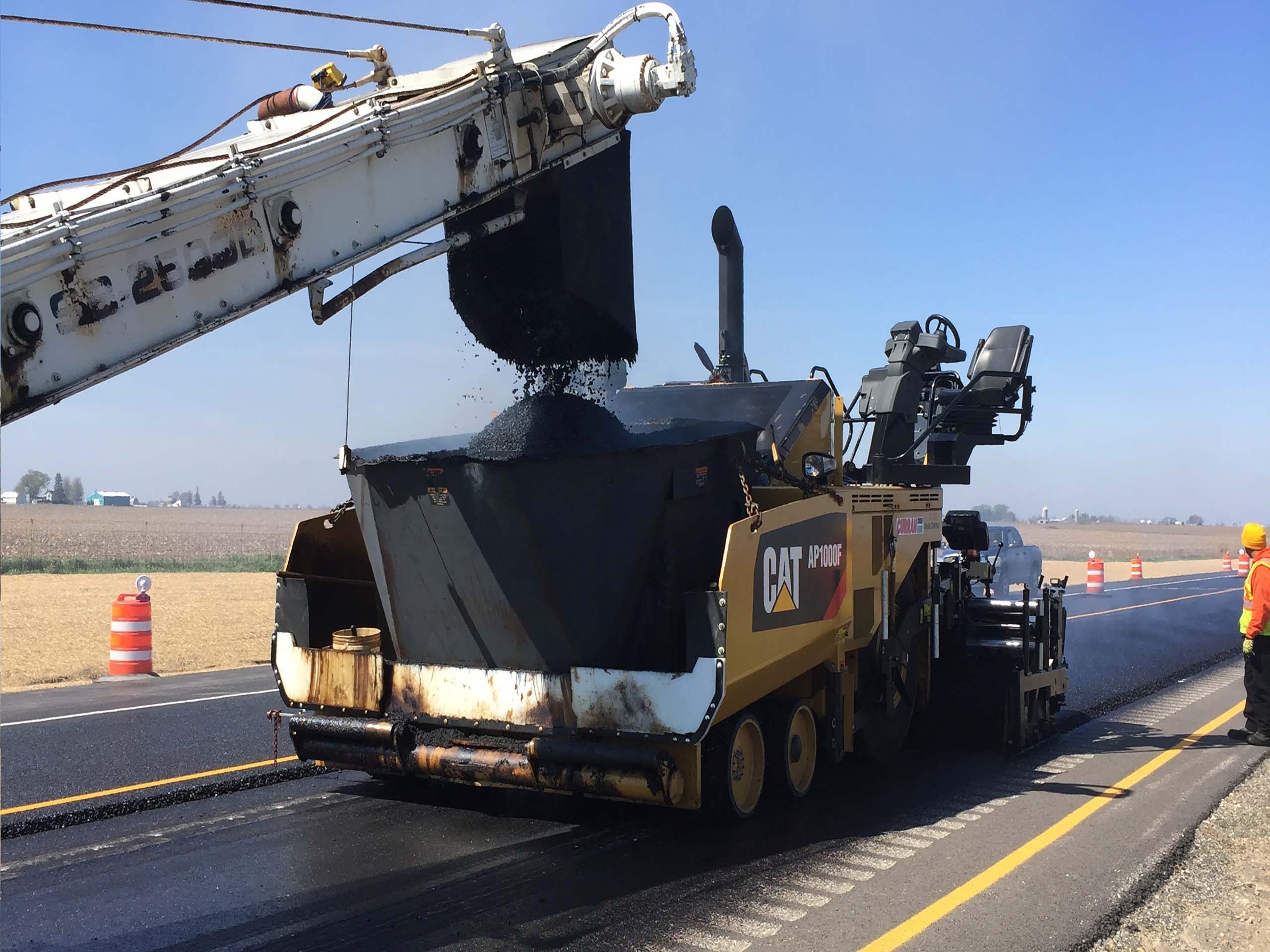
Municipal roads
Rubberized asphalt supports municipal resurfacing programs and urban corridors with improved durability.
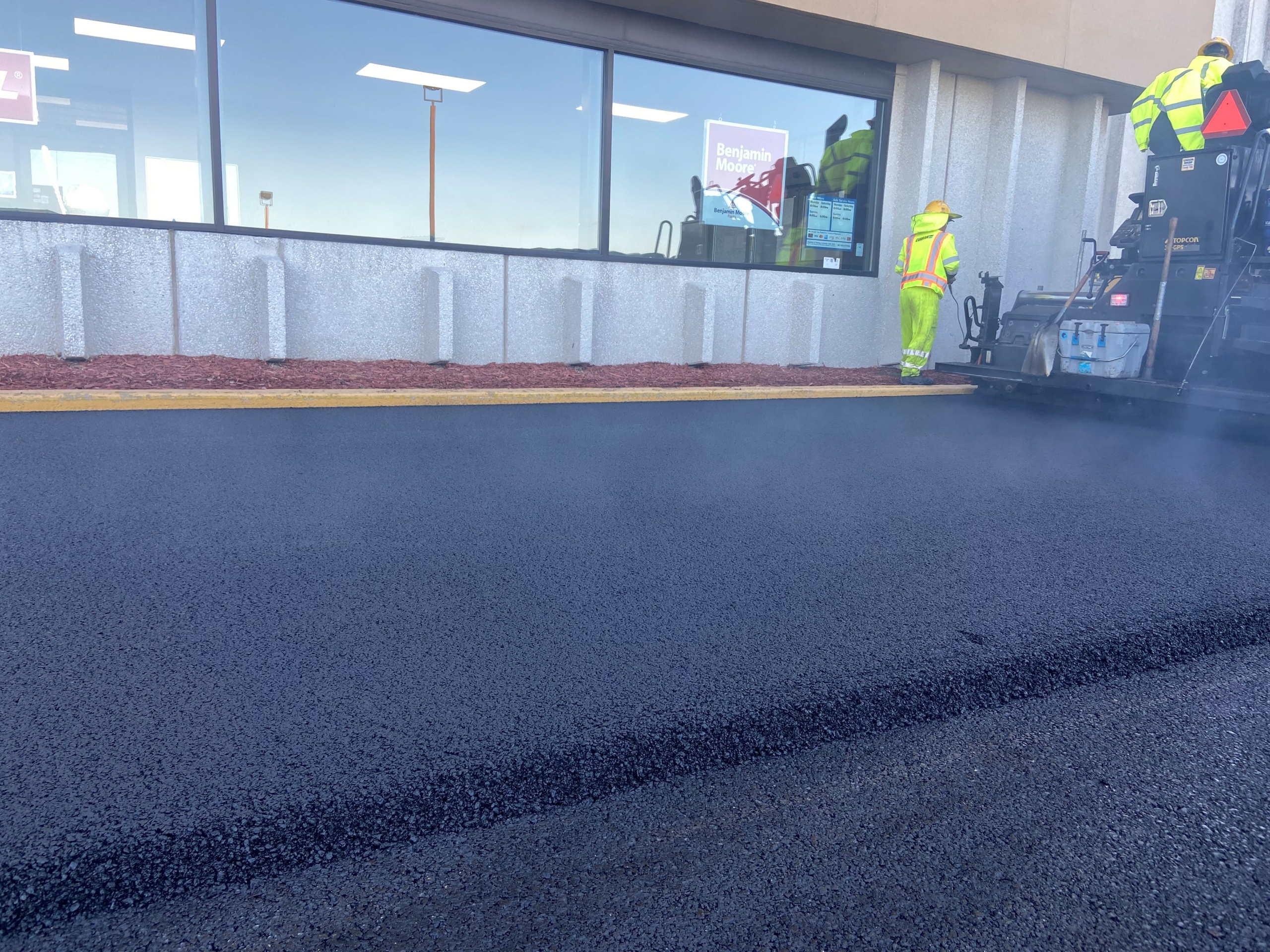
Interstate highways
Used in heavy-traffic interstate corridors and state highway overlays where rutting and cracking resistance matter.

High-traffic urban corridors
Supports corridor paving where repeated loading, braking, and shear can accelerate distress in standard mixes.
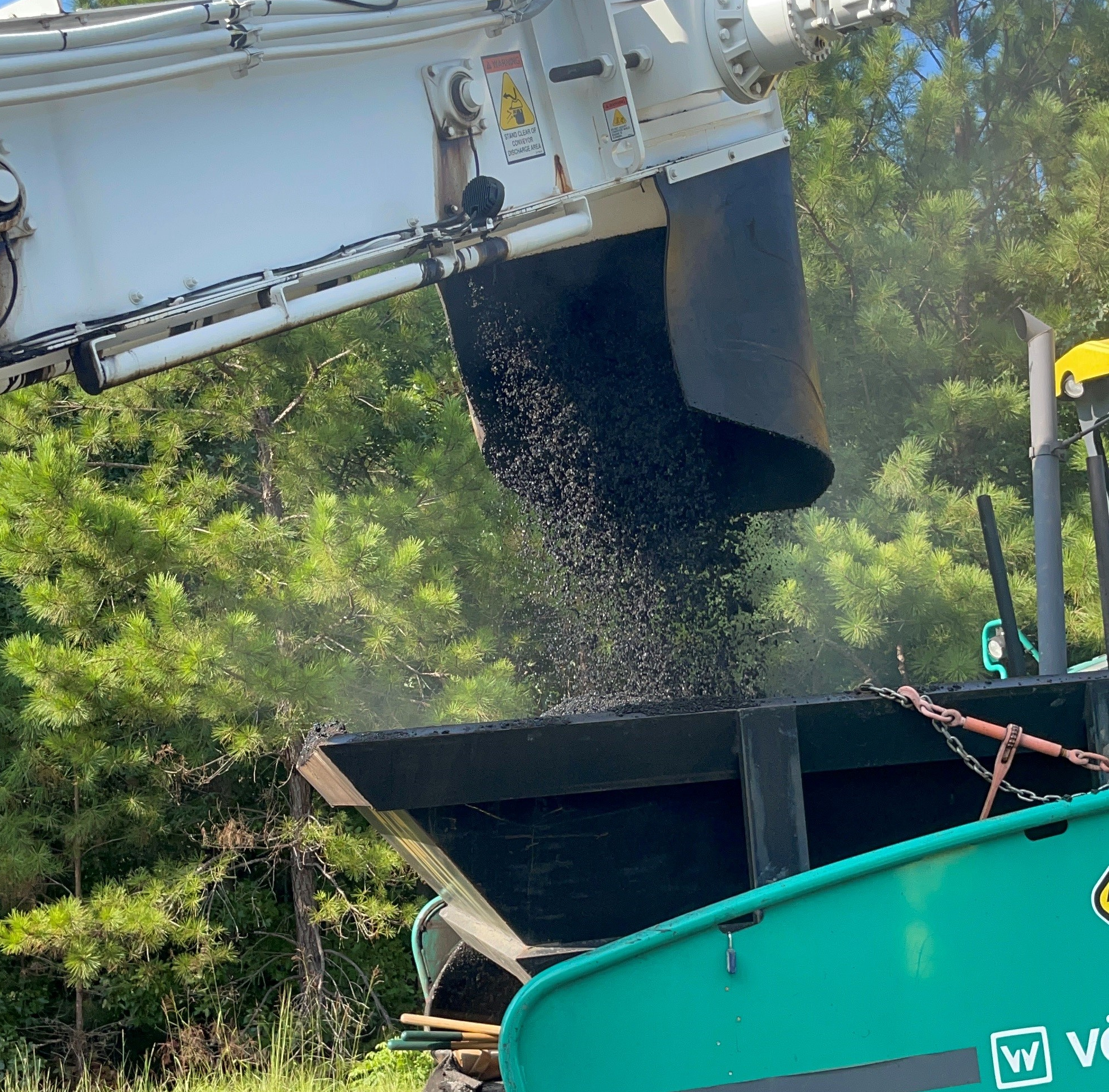
Reconstruction projects
Used in full-depth pavement reconstruction projects and applications requiring strong long-term structural performance.
Want to see real project examples? Explore placements by region and job type with our team.
Learn More About Rubberized Asphalt
Explore additional engineering resources and field performance case studies to align your team.
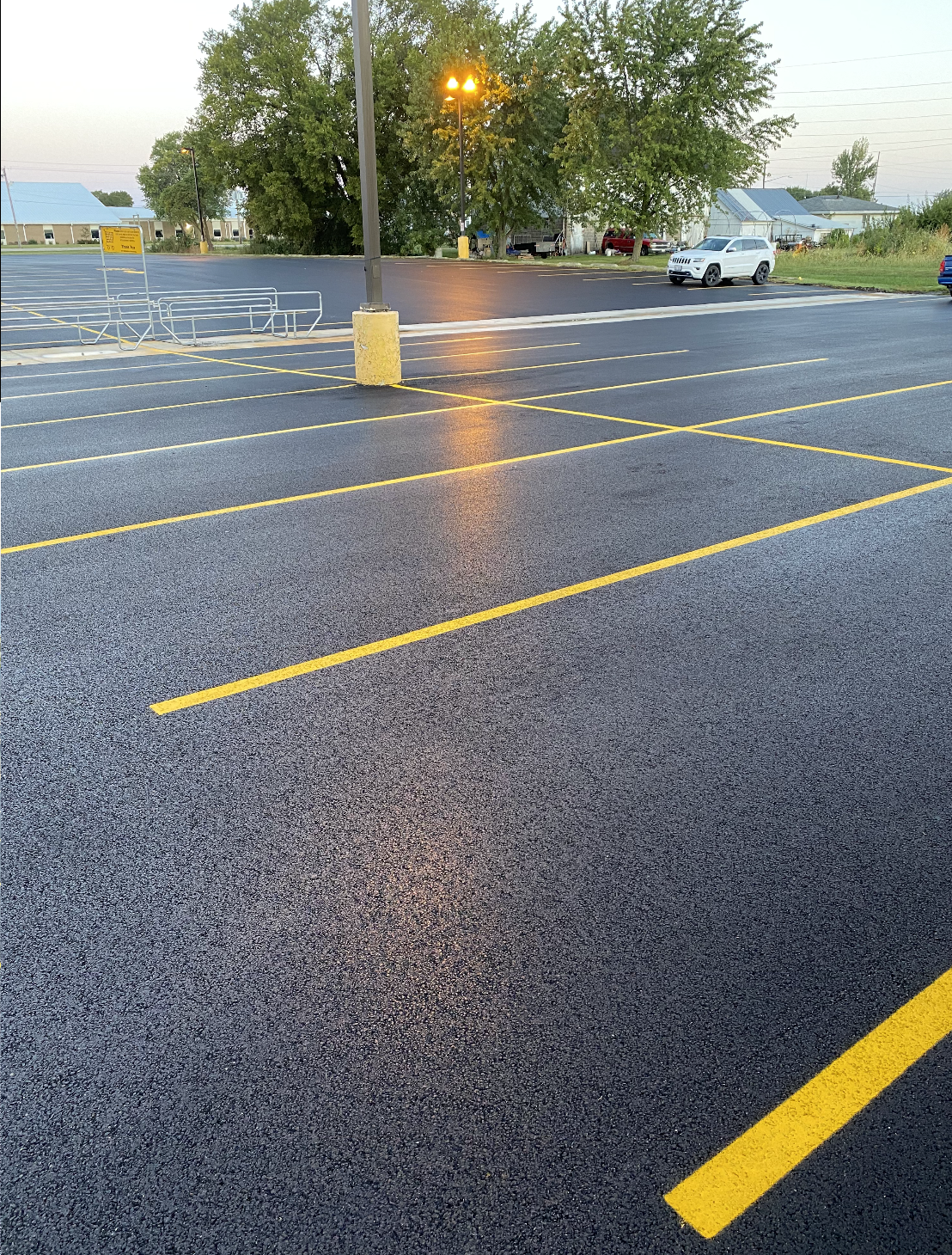
Engineering Resources
Why Rubber Content Matters, Why Rubber Particle Size Matters, and rubber asphalt vs polymer modification.

Dry Process Rubber Asphalt Technology
Understand how ECR is introduced and how it interacts with binder and aggregates during production and paving.
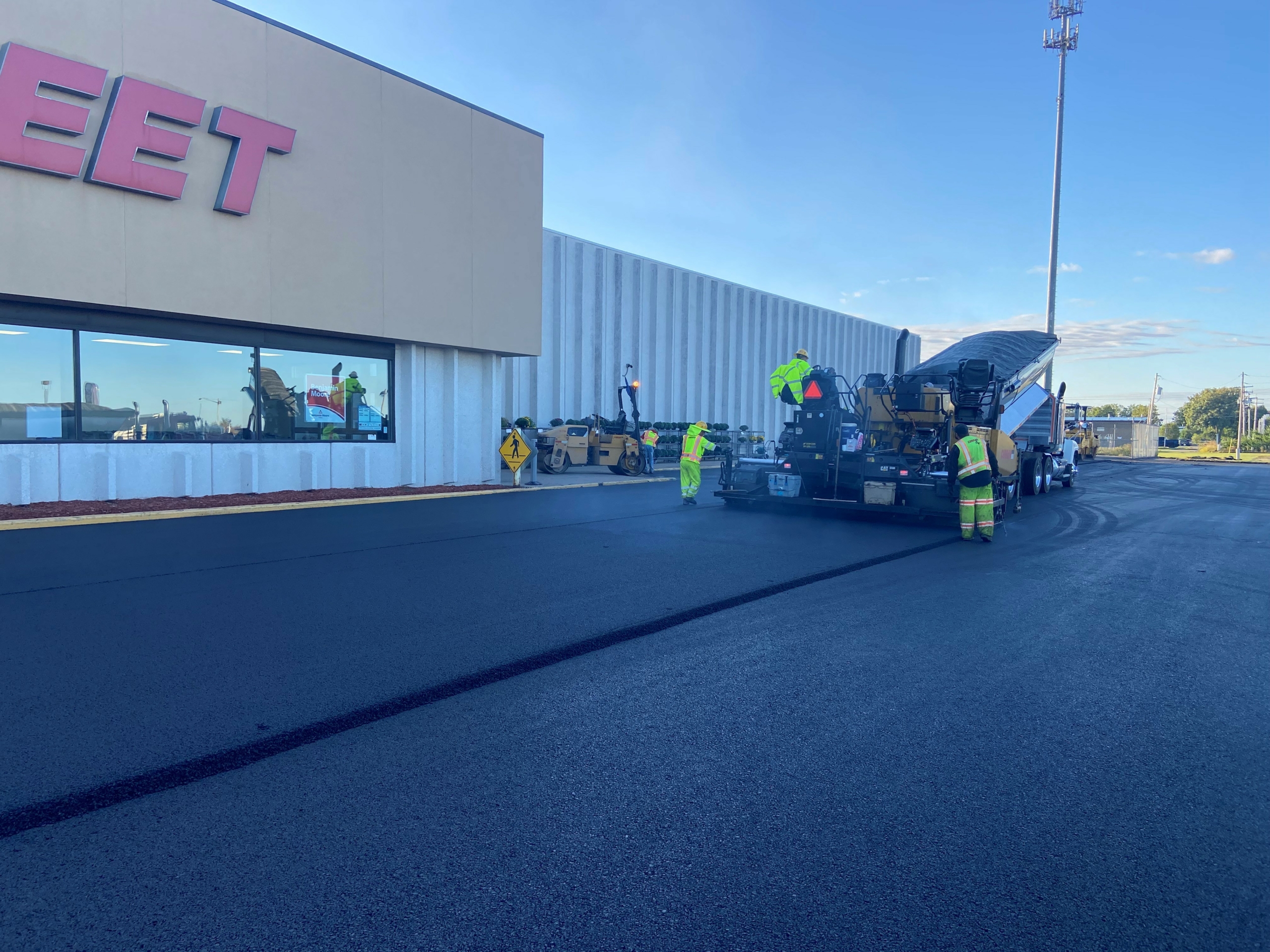
Field Performance Case Studies
Request examples that match your traffic, climate, and mix design requirements.
Environmental and Economic Advantages
Why agencies and producers adopt rubberized asphalt in modern pavement engineering.
What are the environmental benefits of rubberized asphalt?
Rubberized asphalt supports circular infrastructure by recycling scrap tire rubber into transportation infrastructure. This diverts tires from landfills, reduces waste stockpiles, reduces reliance on virgin polymer modifiers, and supports sustainable infrastructure development.
What are the economic advantages of Elastiko ECR?
Benefits include reduced binder grade bump costs, faster asphalt plant production rates, reduced plant equipment buildup, reduced truck bed residue and cleanup waste, and improved compaction efficiency—helping reduce total lifecycle pavement costs.
How is rubberized asphalt evaluated in testing?
Because dry-process rubber modifies the full mixture, engineers typically evaluate performance using mixture tests such as Hamburg Wheel Tracking, IDEAL-CT fracture testing, and Balanced Mix Design (BMD) methods.
What’s next for rubberized asphalt?
As Balanced Mix Design frameworks expand, mixture-level technologies like rubber modification are gaining greater recognition for combining improved pavement performance, environmental sustainability, and economic efficiency.
Ready to evaluate rubberized asphalt for your next mix?
Tell us your job type, traffic level, climate, and plant setup. We’ll help you evaluate Elastiko® ECR dry process rubberized asphalt, including mix design guidance and field performance examples.
Need a plant fit check, mix design guidance, or examples matching your climate + traffic? We’ll point you to the right setup fast.