
Wet Process vs Dry Process Rubberized Asphalt: Why Dry Process is More Efficient
Rubberized asphalt improves durability, sustainability, and performance by incorporating ground-up rubber from recycled tires. This article explains the difference between wet process and Dry Process Engineered Crumb Rubber (ECR) and why dry process is the preferred option for many producers and agencies.
In the world of asphalt paving, rubberized asphalt has emerged as an innovative solution for improving the durability, sustainability, and performance of road surfaces. This type of asphalt incorporates ground-up rubber from recycled tires to enhance the mix. There are two primary methods used to produce rubberized asphalt: Dry Process Engineered Crumb Rubber (ECR) and Wet Process Rubber.
While both processes offer advantages over traditional asphalt, the Dry Process stands out as the superior choice in terms of cost-effectiveness, durability, environmental benefits, performance, and ease of production. In this blog, we will explore wet process vs dry process rubberized asphalt and why the dry process is the preferred method.
You’ll learn how Dry Process ECR compares to Wet Process Rubber in six key areas:
- Cost-effectiveness and plant logistics
- Long-term durability and cracking resistance
- Ease of production and control over supply
- Environmental and energy-use benefits
- Noise, skid resistance, and overall performance
- Consistency and quality control of the final mix
1. Cost-Effectiveness
One of the most compelling reasons for choosing Dry Process Engineered Crumb Rubber (ECR) over Wet Process Rubber is its cost-effectiveness. The Dry Process ECR uses standard asphalt equipment to introduce crumb rubber into the mix. In this method, rubber particles are added directly into the mixing drum, modifying the entire mix.
Wet Process Rubber requires heating and constant agitation in a tank to help avoid particle settling and the plugging issues that are typical of wet process systems. The agitation equipment is highly specialized and expensive to purchase, operate, and maintain. In many cases, Wet Process Rubber also relies on additional additives to mitigate particle settlement, which can further increase the overall cost of producing Wet Process Rubber binder at a terminal.
The finished wet process binder also has a limited shelf life that impacts the production schedule. Unlike Wet Process Rubber, Dry Process ECR can be used on demand. It allows the plant operator to vary the dosage of the mixture and adjust production schedules as needed due to unavoidable circumstances such as inclement weather, equipment issues, or other unexpected delays. The asphalt mix producer has complete control over the production schedule rather than depending on terminals for Wet Process Rubber binder supply.
2. Enhanced Durability
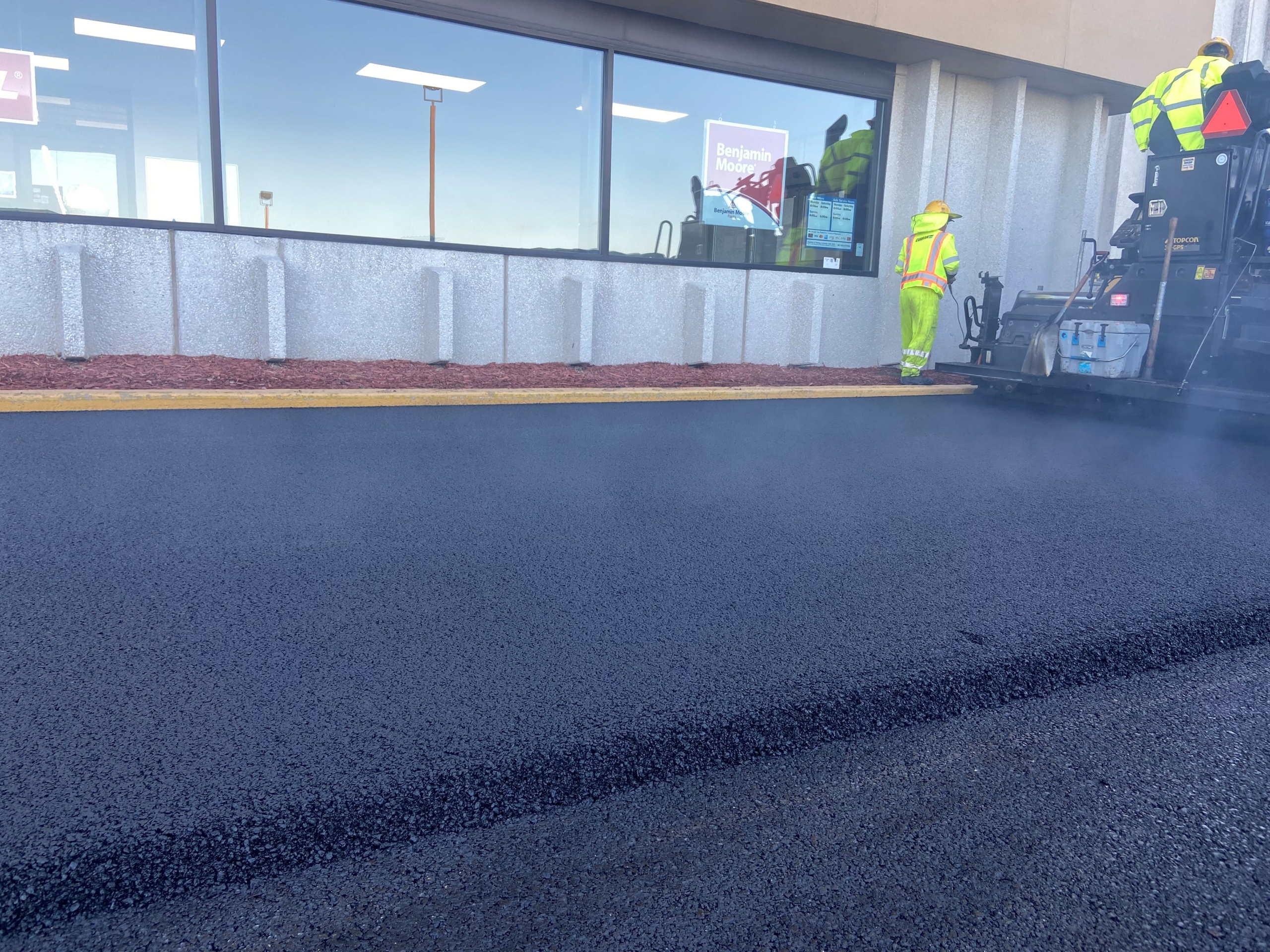
Dry Process ECR is renowned for its superior durability, particularly its resistance to rutting and cracking. In the Dry Process ECR, rubber particles are introduced directly into the asphalt mix, which helps maintain the integrity of the crumb rubber grains. These grains of hyper-elastic rubber assist the asphalt mix in resisting cracking over time.
The Dry Process ECR also interacts with the asphalt binder by absorbing the lighter ends of the oil and increasing the binder viscosity, which enhances the rutting resistance of the mix. This leads to a smoother, more resilient road surface that is better able to withstand the demands of high traffic volumes, heavy loads, and extreme weather conditions.
At similar dosage levels, Wet Process Rubber also improves pavement durability over traditional asphalt. However, unlike the Dry Process ECR, Wet Process Rubber is cooked at high temperatures for longer periods of time, which can lead to a substantially more aged binder. This aging can reduce the cracking resistance of a Wet Process Rubber mix when compared to a Dry Process ECR mix over its service life.
3. Easier to Produce and Better Control Over Supply
The Dry Process ECR is simpler to produce and apply than its Wet Process Rubber counterpart. With Dry Process ECR, rubber is added directly into the mixing drum to modify the mix. When the job schedule unexpectedly changes and needs to stop, Dry Process ECR allows this with no downside.
For Wet Process Rubber, production becomes more complicated as you must manage settling and shelf-life concerns as delays become longer. The material sitting in tanks still requires heat and agitation, adding both operational cost and risk if the project schedule shifts.
An additional, significant benefit is that Dry Process ECR allows the producer to control their own production schedule rather than depending on a Wet Process Rubber supplier. Once Dry Process ECR is on-site, it can be stored for significant periods of time and the system can be turned off and on frequently without concern. This brings peace of mind and offers additional flexibility in your operations.
4. Environmental Benefits
Both Dry Process ECR and Wet Process Rubber offer significant environmental benefits by utilizing recycled rubber from tires, which helps reduce waste and promotes sustainability. In the Dry Process ECR, the rubber particles are added directly into the mixing drum.
Because there is no need for the heating and agitation that Wet Process Rubber requires, Dry Process ECR addition typically requires less energy. This reduces costs and decreases the generation of greenhouse gases, lowering the environmental impact of tire waste and contributing to the development of more sustainable road infrastructure.
5. Superior Performance Characteristics
The performance characteristics of Dry Process ECR make it an ideal choice for high-performance pavements. This mix delivers several advantages over traditional asphalt, including:
Noise Reduction: The Dry Process ECR mixture can result in lower road-tire noise, creating a quieter and more pleasant driving experience. This is particularly beneficial in urban areas, near residential neighborhoods, and around schools where noise pollution is a concern.
Skid Resistance: The Dry Process ECR mixture improves skid resistance, making roads safer in wet conditions. This helps reduce the risk of accidents caused by hydroplaning or loss of traction on wet roads.
Better Stress Absorption: Dry Process ECR is more flexible and elastic than regular asphalt, allowing it to better absorb stresses caused by temperature variations, traffic loads, and freeze-thaw cycles. This results in a smoother, more stable surface that requires less maintenance over time.
Long-Term Performance: Dry Process ECR is better able to handle the stresses of heavy traffic, extreme temperatures, and frequent freeze-thaw cycles. The rubber particles reduce the likelihood of rutting, cracking, and general surface deterioration, helping ensure a longer-lasting road surface.
6. Consistency and Quality Control
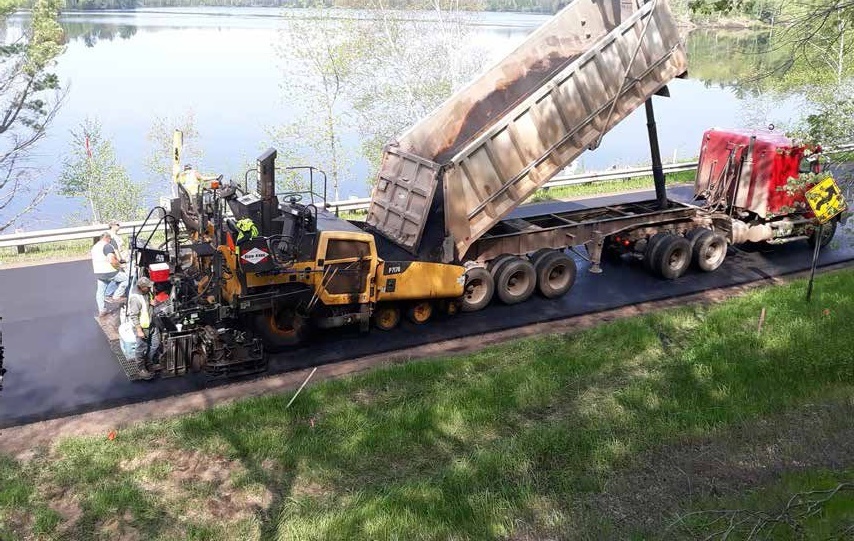
If there are any settling or clogging issues with Wet Process Rubber, this can translate into inconsistencies in the final product. When you use Dry Process ECR, this risk is largely avoided, as the ECR is injected directly into the mix inside the drum where it is uniformly dispersed, similar to how RAP, fiber, and other additives are added at the RAP collar.
Because the rubber particles are evenly distributed throughout the asphalt mix, the resulting pavement can be more uniform. This consistency helps ensure that the asphalt performs well across the entire road surface, providing a smoother ride for drivers and better overall performance.
Conclusion
While both Dry Process ECR and Wet Process Rubber provide clear advantages over traditional asphalt, the Dry Process ECR proves to be the superior choice in terms of cost, durability, environmental benefits, convenience, and ease of production. The dry process offers greater cost savings and a more environmentally sustainable product by avoiding the additional agitation and heat required by Wet Process Rubber.
Dry Process ECR also produces a pavement surface that reduces noise, improves skid resistance, and enhances flexibility, helping ensure better road safety and long-term performance. For contractors, municipalities, and road authorities looking to maximize the benefits of rubberized asphalt, the Dry Process ECR is the clear choice.
It not only offers an affordable solution for improving the quality of road surfaces, but it also helps reduce maintenance costs over time while contributing to a more sustainable future for our transportation infrastructure.
For more resources, explore: Rubberized Asphalt Information and Rubber Asphalt Case Study to see additional data and field results.